
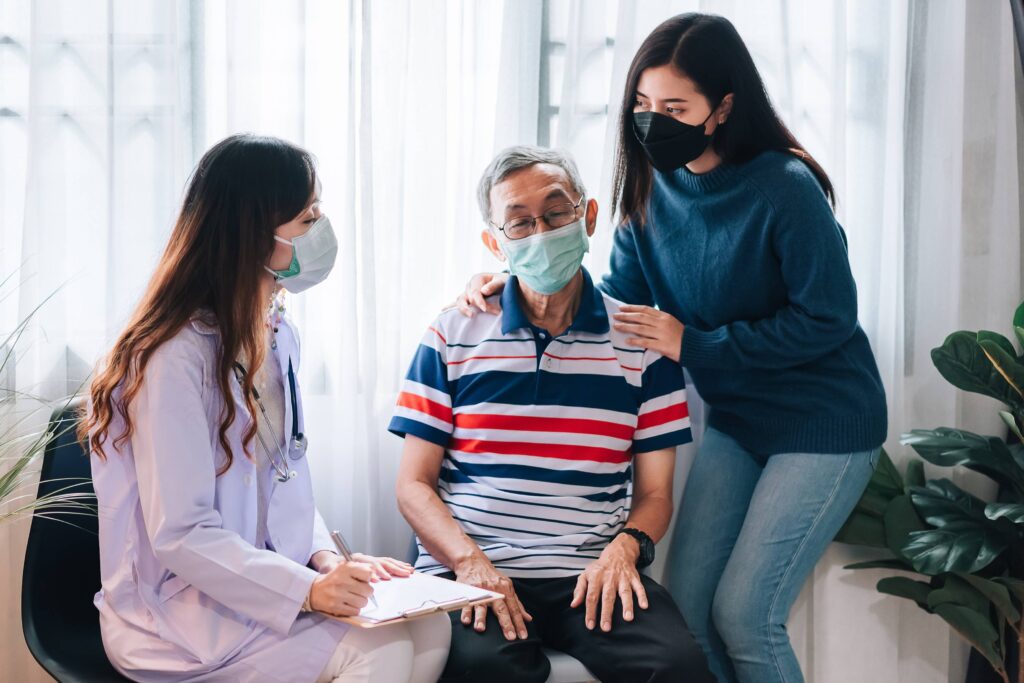
Home health care has become a lifeline for many people—especially seniors, individuals recovering from surgery, and patients managing long-term conditions. Being able to receive care at home offers comfort, independence, and familiarity. But behind every successful home care plan, there’s a crucial factor that often goes unnoticed: physician oversight.
This simply means that a licensed physician is actively involved in reviewing, guiding, and monitoring a patient’s care plan. They’re not just signing paperwork—they’re helping make sure the care being provided is safe, accurate, and medically appropriate. When a doctor stays engaged in a patient’s home care journey, the quality of care can rise dramatically. Here’s a closer look at the top five benefits and why this oversight matters more than many realize.
1. Better Accuracy in Diagnosis and Treatment
Home health teams—like nurses, therapists, and aides—do amazing work. However, they aren’t the ones responsible for diagnosing medical conditions or adjusting treatment plans. That responsibility falls on a physician.
When a doctor oversees the care plan:
- They ensure the diagnosis is correct.
- They confirm that the treatment matches the patient’s medical needs.
- They can catch early signs of changes in health.
For example, a patient recovering from heart surgery may suddenly experience swelling or shortness of breath. A nurse might notice it, but a physician is the one who can determine whether it’s minor or a sign of a serious complication. With oversight in place, the physician can respond quickly, adjust medications, or recommend immediate intervention. This reduces the risk of missteps and helps patients stay on the right track.
2. Reduced Hospital Readmissions
Being readmitted to the hospital can be stressful, expensive, and in some cases dangerous—especially for elderly patients. One of the biggest causes of readmission is unmanaged symptoms or complications that aren’t recognized early.
Physician oversight changes that. When doctors monitor the care plan regularly, they can:
- Spot complications before they escalate.
- Modify medications or therapy schedules.
- Guide the care team on what to do if new symptoms appear.
Instead of waiting until a problem becomes an emergency, the physician can intervene at the right time. This proactive approach often keeps patients healthier and prevents unnecessary hospital visits. In short, oversight isn’t just paperwork—it’s a safeguard that helps people stay home, recover smoothly, and maintain stability.
3. Personalized, Adjusted Care Instead of a “One-Size-Fits-All” Plan
Health conditions change, and so do patient needs. A care plan that worked last month may no longer be suitable today. Without physician involvement, those changes might be overlooked.
When oversight is in place, the physician:
- Reviews the care plan at regular intervals.
- Adjusts medications, therapy goals, or treatment steps.
- Considers the patient’s age, medical history, and progress.
This creates a truly personalized care experience. Instead of treating everyone the same way, the physician makes sure the plan reflects the patient’s current reality. For example, if a patient is recovering faster than expected, the doctor may reduce certain treatments. On the other hand, if progress slows down, the physician can increase support or explore new options. This flexibility often leads to better outcomes and a smoother recovery.
4. Stronger Communication and Coordination
Home health care involves multiple professionals—nurses, therapists, aides, and sometimes specialists. Without a central leader, communication can break down. That’s where physician oversight plays a powerful role.
When a doctor oversees the plan:
- Everyone has a clear point of direction.
- The care team stays unified and consistent.
- Important information doesn’t get lost between visits.
The physician acts almost like a conductor in an orchestra—making sure every part of the team works together instead of separately. This prevents confusion, duplicated efforts, or conflicting instructions. Patients and families also benefit, because they know exactly who to turn to when they have questions about medical decisions. Clear communication builds trust, reduces stress, and helps the entire care process run smoothly.
5. Higher Safety and Better Compliance with Medical Standards
Health care at home still has to follow strict medical rules and safety guidelines. Physician oversight ensures those standards are met. The doctor is responsible for reviewing medications, monitoring risks, and making sure the care being delivered aligns with accepted medical practices.
This oversight helps:
- Prevent medication errors.
- Reduce risks of infections or complications.
- Ensure legal and clinical requirements are followed.
For families, this provides peace of mind. They don’t have to guess whether the care is appropriate—they know a licensed physician is guiding the process. For patients, it means safer treatment and greater protection.
Final Thoughts
Home health care allows people to receive support in the place they feel most comfortable—home. But comfort alone isn’t enough. Safety, accuracy, and proper medical direction are essential. Physician oversight ties all of these pieces together.
It brings expertise into the home setting, strengthens the care team, and keeps patients safer. Whether someone is managing a chronic illness, recovering from surgery, or simply needs daily support, having a physician involved in the care plan can make a meaningful difference.