
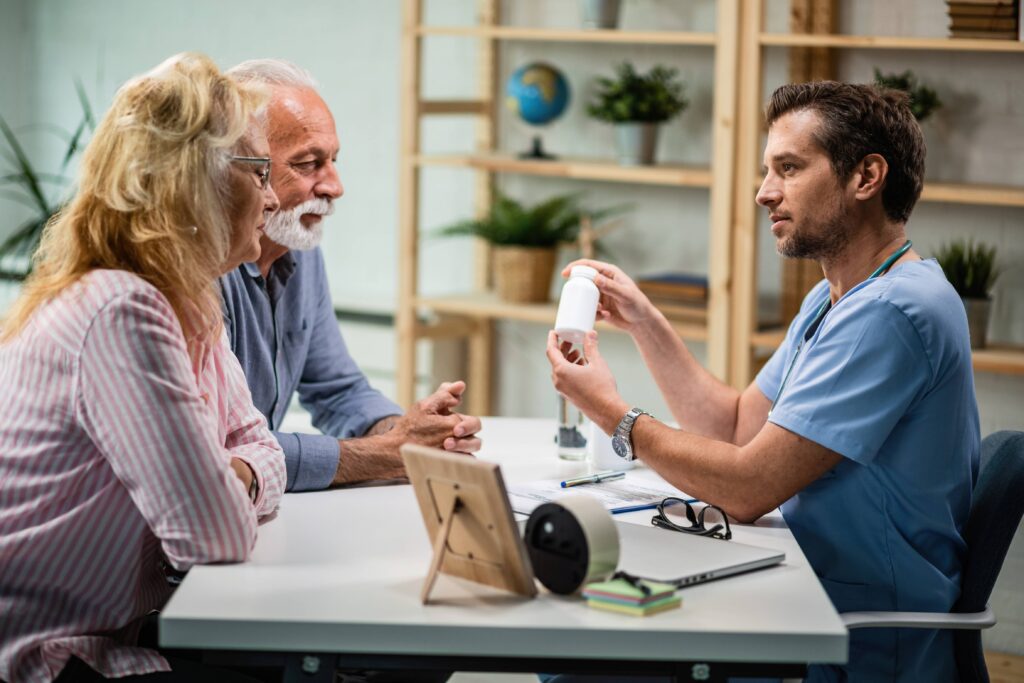
Home health care has expanded quickly over the last decade, driven by patients who want to recover or manage chronic conditions in the comfort of their own homes. While this setting feels more personal and convenient, providing medical care outside a clinical environment brings its own set of challenges. Without the structure of a hospital, issues like delayed treatment, medication errors, or unnoticed symptoms can easily occur. This is why Oversight MD, supported by strong physician oversight, plays such an essential role. A licensed physician’s involvement ensures that care remains safe, accurate, and medically appropriate, even when delivered at home.
According to Medicare guidelines for home health services, a physician must certify the care plan, review patient progress, and make necessary adjustments to treatment. This ensures that the care delivered at home remains safe, effective, and medically appropriate. Without strong physician oversight, there is a higher chance of misdiagnosis, medication errors, and delayed interventions.
1. Accurate Diagnosis and Treatment Planning
Home care providers such as nurses and therapists often rely on the physician’s expertise for accurate decision-making. A licensed physician can interpret lab reports, imaging results, and changes in symptoms more precisely.
The National Institute on Aging notes that early recognition of health issues significantly improves outcomes for elderly patients receiving care at home. Oversight MD ensures that subtle changes in a patient’s condition are not overlooked and that treatment plans remain medically sound.
2. Better Medication Management
Medication errors are one of the most common problems in home care. The CDC reports that nearly 1.3 million emergency department visits in the U.S. each year are related to medication issues. With proper physician oversight, medication lists are reviewed, dosage changes are supervised, and potential interactions are identified quickly.
This reduces risks such as:
- duplicate medications
- harmful drug interactions
- incorrect dosages
- missed prescriptions
Oversight MD plays a direct role in keeping medication use safe and appropriate.
3. Improved Patient Safety
Safety is the backbone of home health services. When medical care happens outside a controlled environment, risks increase. Physician involvement helps maintain safety standards that are normally found in clinics or hospitals.
Through regular reviews, a physician can identify whether a patient needs additional testing, a change in therapy, or even hospitalization. This proactive approach prevents complications and supports faster recovery.
4. Compliance With Medicare and Regulatory Requirements
Home health agencies must follow strict regulations, especially when working with Medicare or Medicaid patients. Medicare requires physician certification of:
- homebound status
- care plans
- ongoing treatment adjustments
Without proper documentation and physician oversight, claims can be denied, and agencies may face penalties. Oversight MD ensures compliance, protecting both patients and providers.
5. Coordination of Care
Many home health patients work with multiple professionals nurses, therapists, social workers, and caregivers. When a physician oversees the care plan, coordination becomes smoother and more effective.
The physician acts as the central decision-maker, ensuring that everyone involved understands treatment goals, responsibilities, and expected outcomes. This reduces confusion and helps the entire care team work together toward the same objectives.
6. Better Patient Confidence and Satisfaction
Patients and families often feel more secure knowing that a licensed physician is overseeing the care. This confidence can improve cooperation, motivation, and adherence to treatment plans.
A study referenced by the Agency for Healthcare Research and Quality highlights that patients are more satisfied when they believe their care is being monitored by a qualified physician. Oversight MD gives families peace of mind that their loved one is receiving proper medical attention.
7. Faster Response to Changes in Health
Home health patients may experience sudden changes such as:
- breathing difficulty
- infections
- worsening pain
- mobility issues
Physician oversight ensures that these changes are addressed quickly. Instead of waiting for an appointment or emergency event, the physician can adjust medications, order tests, or recommend urgent care immediately.
This timely intervention often prevents hospitalizations and improves overall outcomes.
Final Thoughts
Oversight MD is not just a regulatory requirement—it is a vital element that strengthens the quality and safety of home health care. From accurate diagnosis to medication safety and compliance, strong physician oversight helps ensure that every patient receives safe and appropriate treatment. Much of this value comes from the importance of licensed MD oversight, which provides professional judgment, clinical accountability, and medical decision-making that other providers cannot offer on their own. As more individuals choose home-based care, the role of physician supervision becomes even more essential for improving outcomes and maintaining patient satisfaction.